Introduction
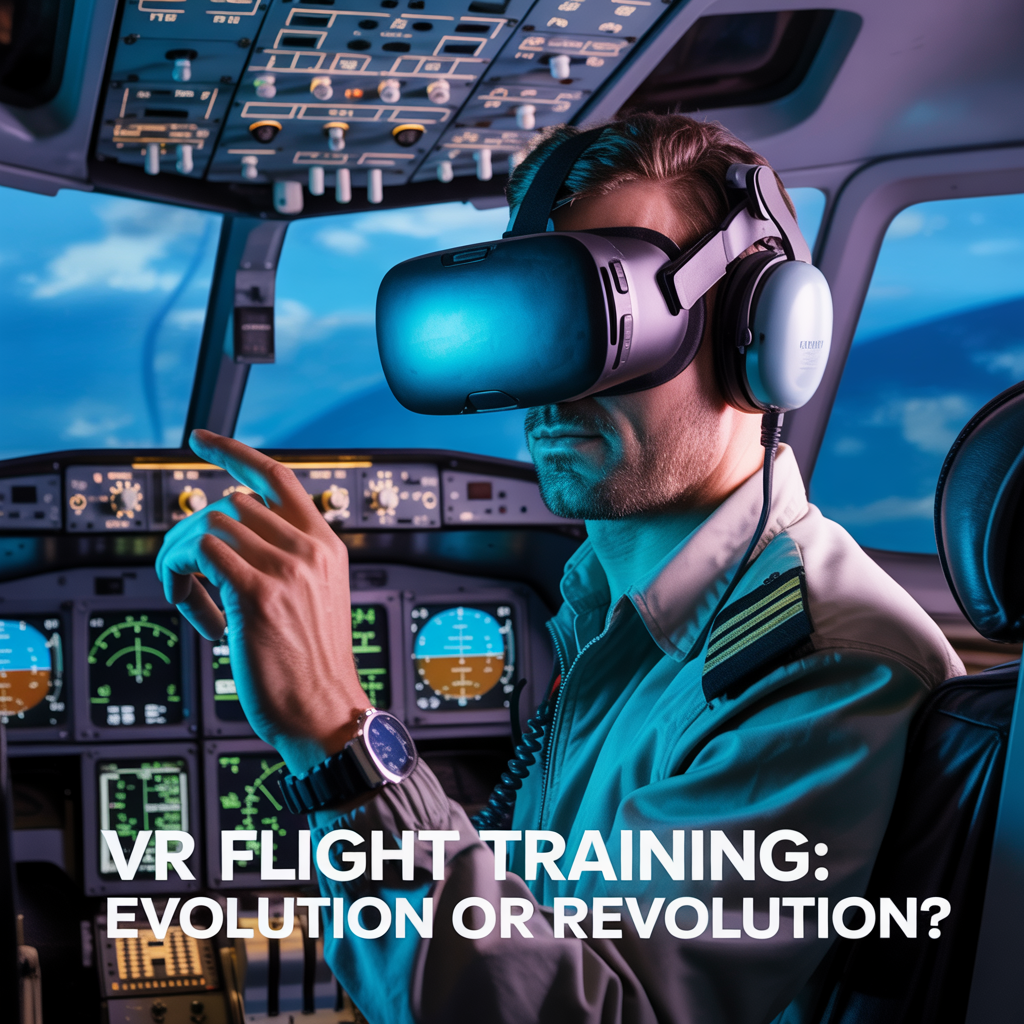
The aviation industry is undergoing a transformative shift, with Virtual Reality (VR) emerging as a cornerstone technology for enhancing flight training efficiency, safety, and accessibility. This analysis builds on prior discussions, providing a comprehensive exploration of VR’s integration in flight training, with a focus on advancements through 2024 and 2025. It incorporates detailed references to industry reports, academic studies, and real-world implementations to substantiate claims, while addressing challenges and future directions.
The Evolution of Flight Training
Traditional flight simulators: History and limitations
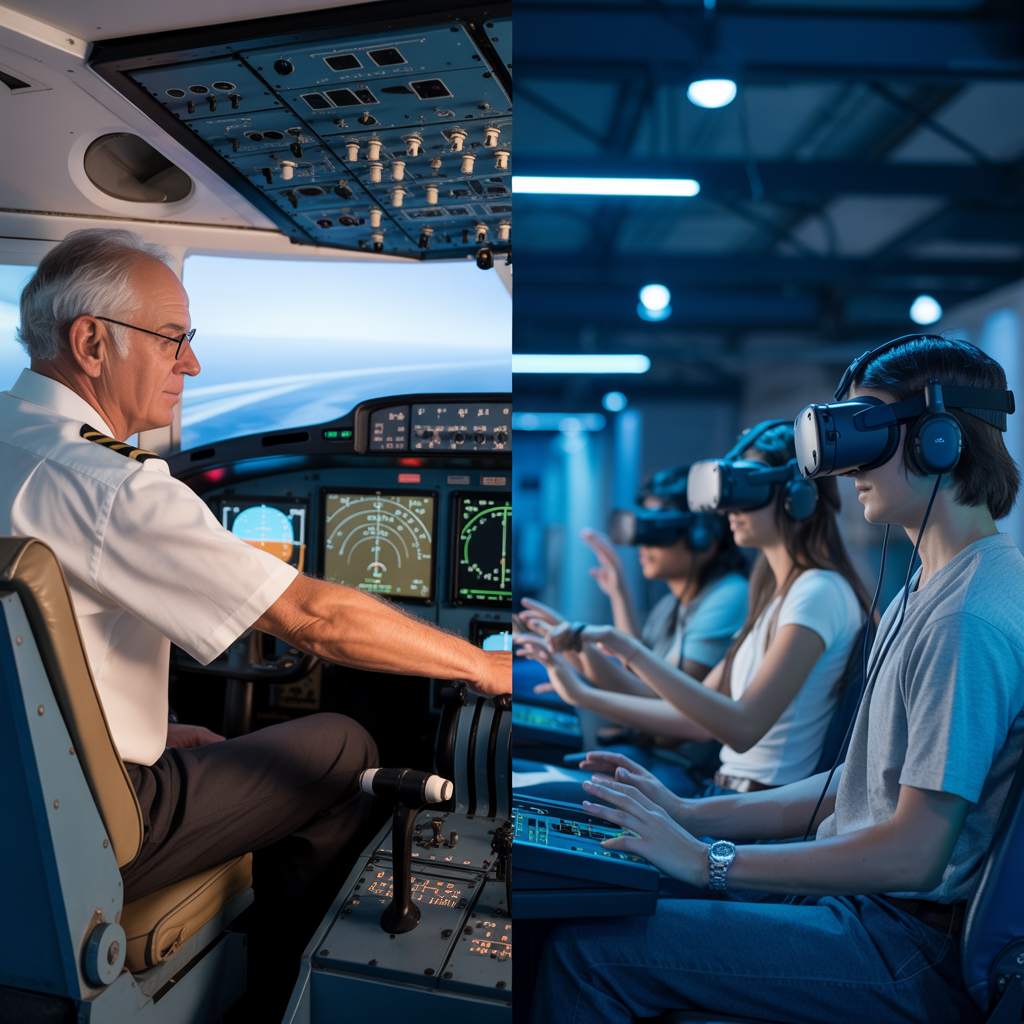
Flight simulators have been around since 1929, when Edwin Link built the first "Link Trainer." Back then, pilots sat in a metal box that pitched and rolled while they practiced instrument flying. Pretty basic stuff compared to today's tech.
By the 1960s and 70s, simulators got fancier with hydraulic motion systems and basic visual displays. The military and commercial airlines loved them because crashing in a simulator beats crashing in real life. Every. Single. Time.
But traditional simulators have their hangups. They're massive, expensive beasts. We're talking millions of dollars for a full-motion Level D simulator. Airlines need dedicated buildings just to house these things!
And despite their cost, they still don't nail the immersion factor. The visuals are often projected on screens with a limited field of view. You can see the edges of the screen, which instantly breaks the "I'm really flying" feeling that builds muscle memory.
Evolution and Core Principles of VR in Flight Training
VR leverages head-mounted displays (HMDs), motion tracking, and interactive controls to create immersive 3D environments that replicate aircraft cockpits and flight scenarios. Unlike traditional training methods—classroom instruction, fixed-base simulators, and live flights—VR offers cost-effective, risk-free, and repeatable training. Its core strengths include:
Immersion and Realism: High-fidelity graphics, haptic feedback, and spatial audio simulate real-world physics, weather conditions, and emergency scenarios.
Adaptability: Customizable modules for diverse aircraft, from commercial jets to electric Vertical Take-Off and Landing (eVTOL) vehicles.
Data-Driven Feedback: Integration with artificial intelligence (AI) enables real-time performance analysis and personalized training.
By 2025, VR will have evolved from a supplementary tool to a core component of aviation training, driven by post-pandemic demands for scalable, remote-capable solutions and the global pilot shortage, as noted in the International Air Transport Association’s (IATA) 2024 report on workforce challenges.
Key differences between conventional and VR training
| Feature | Traditional Simulators | VR Training |
|---|---|---|
| Cost | $5-15 million | $5,000-50,000 |
| Portability | Requires a dedicated facility | Can fit in a suitcase |
| Field of view | Limited (typically 180°) | Full 360° immersion |
| Haptic feedback | Excellent (real switches) | Limited or requires add-ons |
| Motion | Full 6 degrees of freedom | Usually stationary |
Traditional simulators win on tactile feedback - nothing beats flipping actual switches. They're also still the gold standard for airline certification training.
VR shines in spatial awareness training. Want to practice looking over your shoulder during landing? Traditional Sims can't touch VR's ability to let you naturally turn your head and see everything around you.
The biggest game-changer? Accessibility. A flight school can now outfit multiple training stations for the price of one conventional simulator. This democratizes training that was once reserved for the big players with deep pockets.
How VR Training Works for Pilots
Hardware components in modern VR flight training
Ever tried on a VR headset and felt like you were somewhere else? That's exactly what pilots-in-training experience, but way more sophisticated.
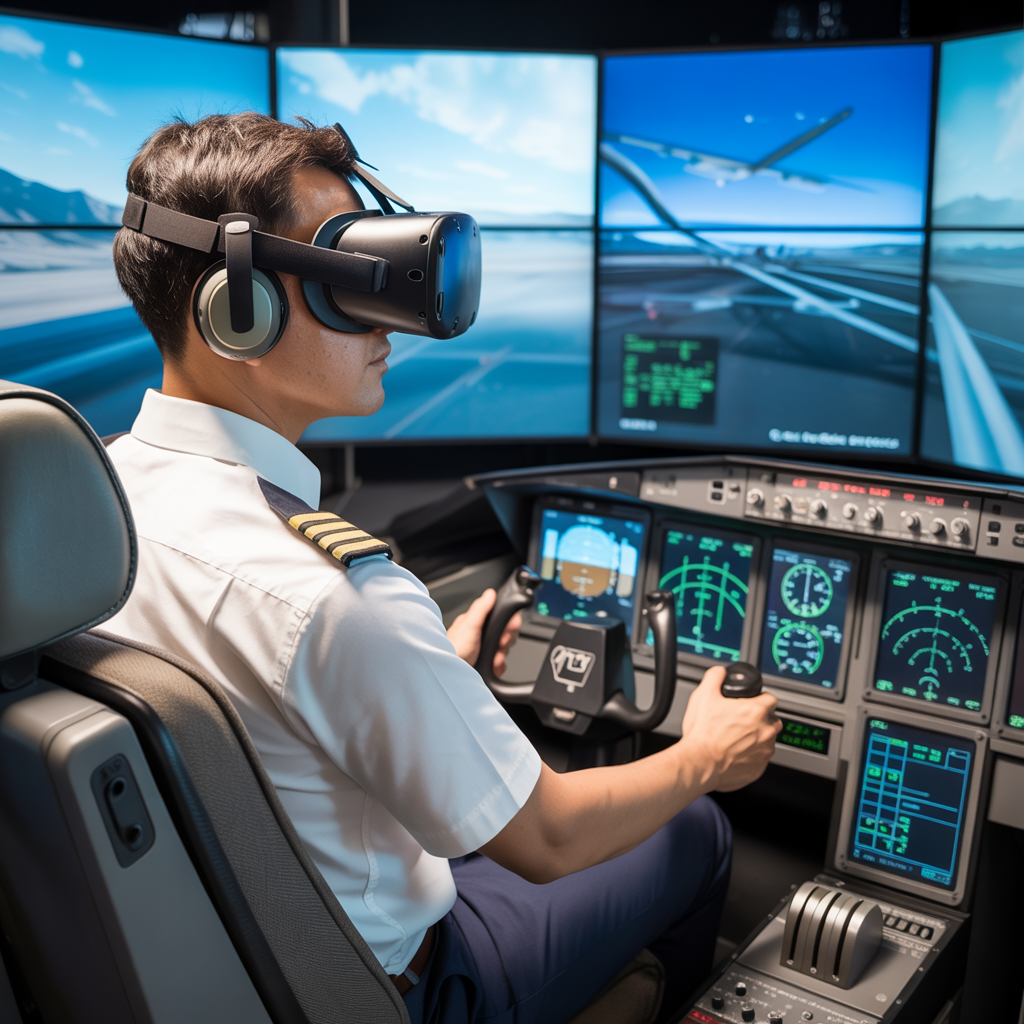
Modern VR flight training systems aren't just fancy gaming setups. They're complex arrangements of cutting-edge tech that make pilots sweat as if they're 30,000 feet up.
The core components include:
-
High-resolution VR headsets with wide fields of view (typically 110° or more)
-
Haptic feedback controls that simulate the actual resistance and vibration of flight controls
-
Motion platforms that pitch, roll, and yaw to match aircraft movements
-
Spatial audio systems recreating cockpit sounds from every direction
-
Eye-tracking technology to analyze pilot attention patterns
The difference between consumer VR and flight training VR? Night and day. While your home VR might run at 90Hz, pilot systems push 120Hz or higher to eliminate motion sickness during complex maneuvers.
Software capabilities and realistic scenarios
The hardware is impressive, but the software? That's where the magic happens.
Today's VR flight training software doesn't just show pretty clouds. It models entire flight physics systems down to how air density affects lift at different altitudes.
Pilots train in scenarios like:
-
Engine failures during critical flight phases
-
Sudden weather changes, including microbursts and wind shear
-
Instrument malfunctions requiring immediate troubleshooting
-
Air traffic control emergencies and diverts
-
Low-visibility approaches to unfamiliar airports
The realism is uncanny. These systems model everything from the way sunlight glares across instruments to how runway lights appear through fog at specific airports worldwide.
Integration with existing flight simulation systems
VR training doesn't exist in isolation. It's becoming the connective tissue between different training platforms.
Most major airlines and flight schools now link their VR systems with:
-
Full-motion Level D simulators (the FAA's highest certification)
-
Procedure trainers for specific aircraft types
-
Classroom management systems track student progress
-
Actual aircraft data systems for perfect replication
This integration enables a pilot to practice an emergency procedure in VR, then seamlessly transition to a full simulator with the exact same scenario configuration. The muscle memory transfers directly.
Data collection and performance tracking
The quiet revolution in VR training? It's all about the data.
Every eye movement, control input, and decision is tracked, creating a digital footprint of pilot performance that was previously impossible to capture.
Training programs now analyze:
-
Scan patterns across instruments during critical phases
-
Response times to emergency situations
-
Decision-making processes during complex scenarios
-
Consistency of control inputs under stress
-
Communication effectiveness during crew scenarios
This wealth of data lets instructors pinpoint exactly where a pilot needs improvement. Not just vague feedback like "work on your landings," but specific insights like "you're focusing too long on airspeed during final approach while neglecting descent rate."
The result? Pilots train more efficiently, focusing precisely on their weak spots rather than endlessly repeating procedures they've already mastered.
Proven Benefits of VR Pilot Training
A. Cost reduction compared to traditional methods
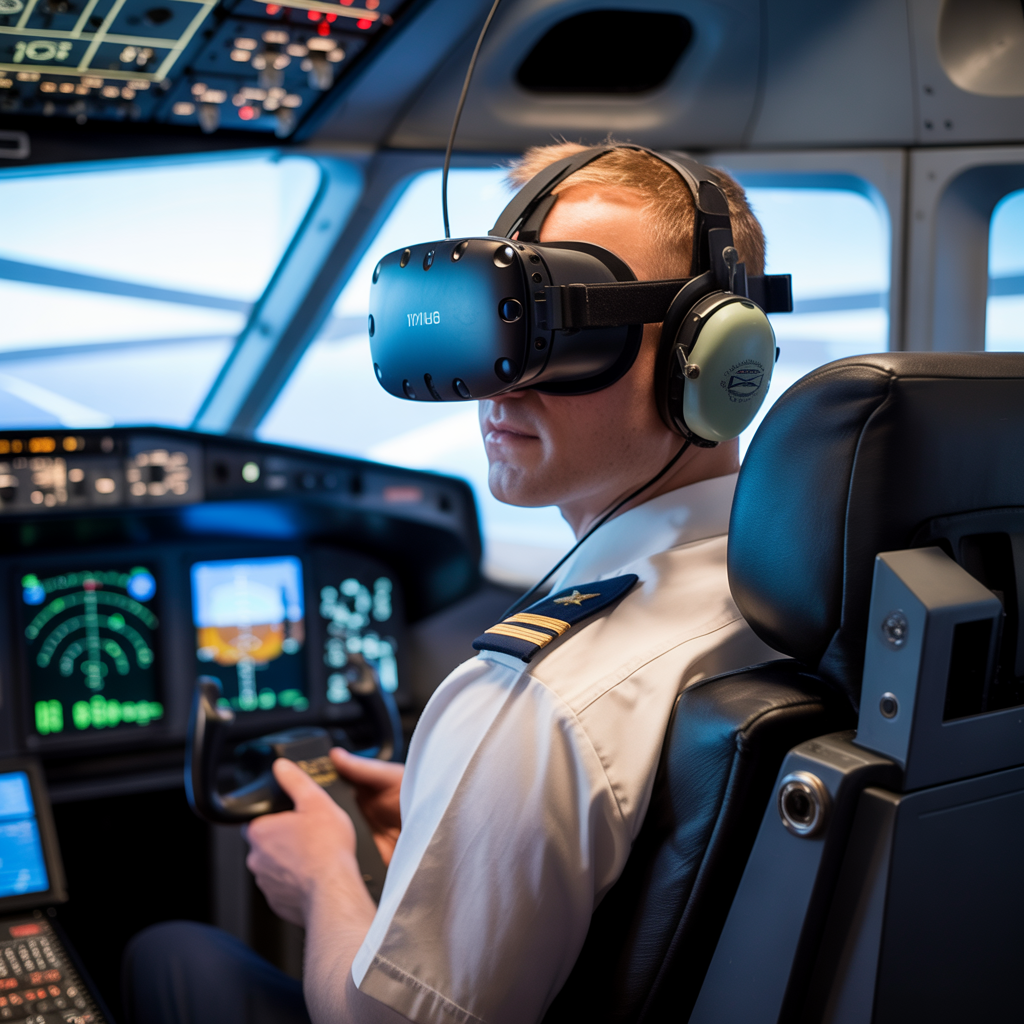
Flight training is expensive. Like, jaw-droppingly expensive. Traditional pilot training can cost anywhere from $60,000 to $150,000, and that's before you even talk about jet-specific training.
VR slashes these costs dramatically. Airlines using VR simulators report 60-70% savings compared to conventional flight simulators. Why? No massive hydraulic systems to maintain. No dedicated buildings to house them. No specialized technicians on standby 24/7.
A full-motion flight simulator costs millions and incurs operating costs of over $ 1,000 per hour. A VR setup? Maybe $5,000-$20,000 upfront with minimal running costs.
B. Enhanced emergency scenario practice
You can't practice engine failures or cabin fires in real planes (obviously). But in VR? Bring on the chaos.
Pilots can experience rare but critical scenarios repeatedly without risk. Sudden decompression at 35,000 feet? Electrical failure over water? Simultaneous engine failures? VR makes these scenarios visceral in ways desktop simulators simply can't match.
The immersion factor is huge here. Your brain processes VR experiences as nearly real, creating muscle memory and emotional responses that transfer to actual cockpits.
C. Accelerated learning curves
The data doesn't lie. Pilots using VR training reach proficiency 40% faster than those using traditional methods alone.
Why? Cognitive science tells us that immersive, multi-sensory learning sticks better. VR engages more of your brain than reading manuals or watching videos ever could.
Plus, there's the motivation factor. Pilots actually want to practice in VR environments. The gamification elements—scores, progression tracking, and realistic feedback—tap into natural competitive instincts.
D. Unlimited repetition without resource constraints
Practice makes perfect, but traditional training methods limit repetitions.
In VR, pilots can practice the same landing approach 50 times in a row if needed. They can run through the same emergency checklist until it becomes second nature. All without burning fuel, monopolizing instructor time, or hogging simulator slots.
This unlimited access transforms how pilots approach difficult procedures. Something not clicking? Just run it again. And again. And again—until it does.
E. Decreased environmental impact
Flight training burns a lot of fuel. A LOT of fuel.
A single training hour in a small Cessna burns around 8 gallons of aviation fuel. Scale that up to thousands of pilots doing thousands of training hours annually.
VR training cuts this carbon footprint dramatically. No fuel burned. No emissions. Just electricity to power the computers and headsets.
Some flight schools report carbon footprint reductions of 70%+ after implementing VR training programs. That's not just good for PR—it's genuinely better for the planet.
Challenges and Mitigation Strategies
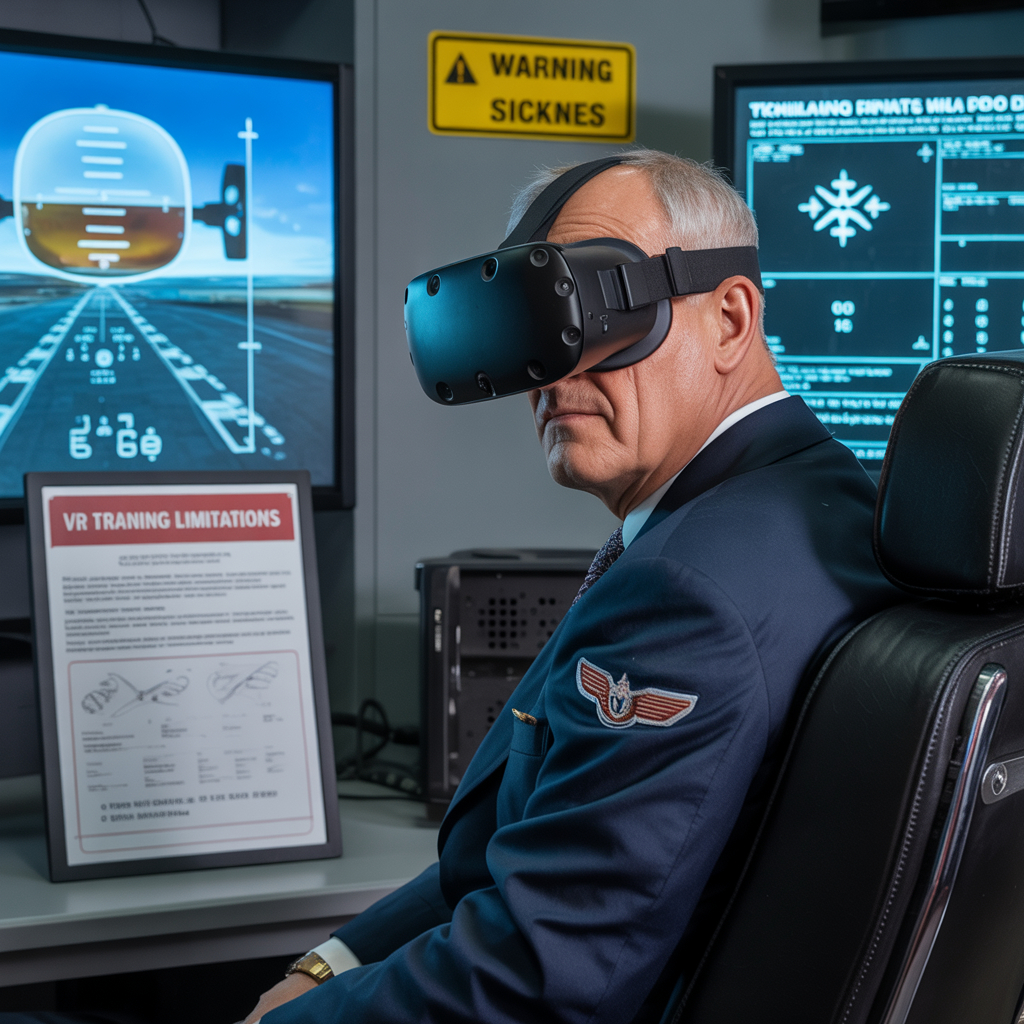
Despite progress, challenges persist:
Cybersickness: A 2024 study in Human Factors found that 20-30% of VR users experience nausea or disorientation due to prolonged HMD use. Mitigation strategies include higher refresh rates (e.g., 120Hz in Varjo XR-4) and gradual acclimatization protocols, as recommended by the Defence Research and Development Canada (DRDC) in 2025 (Lawson et al., “Mitigating Cybersickness in VR Training,” 2024; DRDC, “VR Acclimatization Guidelines,” 2025).
Initial Costs and Infrastructure: Upfront investments in VR systems deter smaller operators. Cloud-based VR platforms and government subsidies, as proposed in a 2025 European Commission report, are reducing barriers (European Commission, “Aviation Training Innovation Funding,” 2025).
Instructor Adaptation: Instructors require training to leverage VR effectively. The 2025 WATS highlighted the need for standardized educator certification programs (WATS, “2025 Summit Proceedings,” 2025).
Simulation Fidelity Gaps: While VR replicates visuals well, some tactile feedback systems lag. Ongoing research, such as Boeing’s 2025 haptic feedback trials, aims to close this gap (Boeing, “Haptic VR Advancements,” 2025).
Regulatory Progress and Certification
Regulatory bodies have made significant strides in approving VR for flight training:
EASA Updates: In 2024, the European Union Aviation Safety Agency (EASA) amended its Certification Specifications for Flight Simulation Training Devices (CS-FSTD) to qualify VR devices as full-flight simulators for specific procedures, such as cockpit familiarization and emergency drills. This allows pilots to earn certification credits, as outlined in EASA’s 2024 guidance document (EASA, “CS-FSTD Revision 3,” 2024). By mid-2025, this led to a 40% increase in VR adoption across European flight schools.
FAA Developments: The Federal Aviation Administration (FAA) is finalizing VR and Extended Reality (XR) certification guidelines. A 2025 FAA report noted ongoing trials to validate VR for type ratings, with preliminary data showing comparable performance to traditional simulators (FAA, “XR in Pilot Training: Progress Report,” 2025). Blogs from the 2025 World Aviation Training Summit (WATS) indicate accelerated regulatory progress.
Global Standards: The 2025 WATS emphasized XR integration, with panels discussing standardized metrics for safety and simulation fidelity. The International Civil Aviation Organization (ICAO) is developing global guidelines for VR training, expected by 2026 (WATS, “2025 Summit Proceedings,” 2025).
These regulatory shifts have reduced barriers, enabling VR to contribute to mandatory training hours.
Real-World Case Studies and Implementations
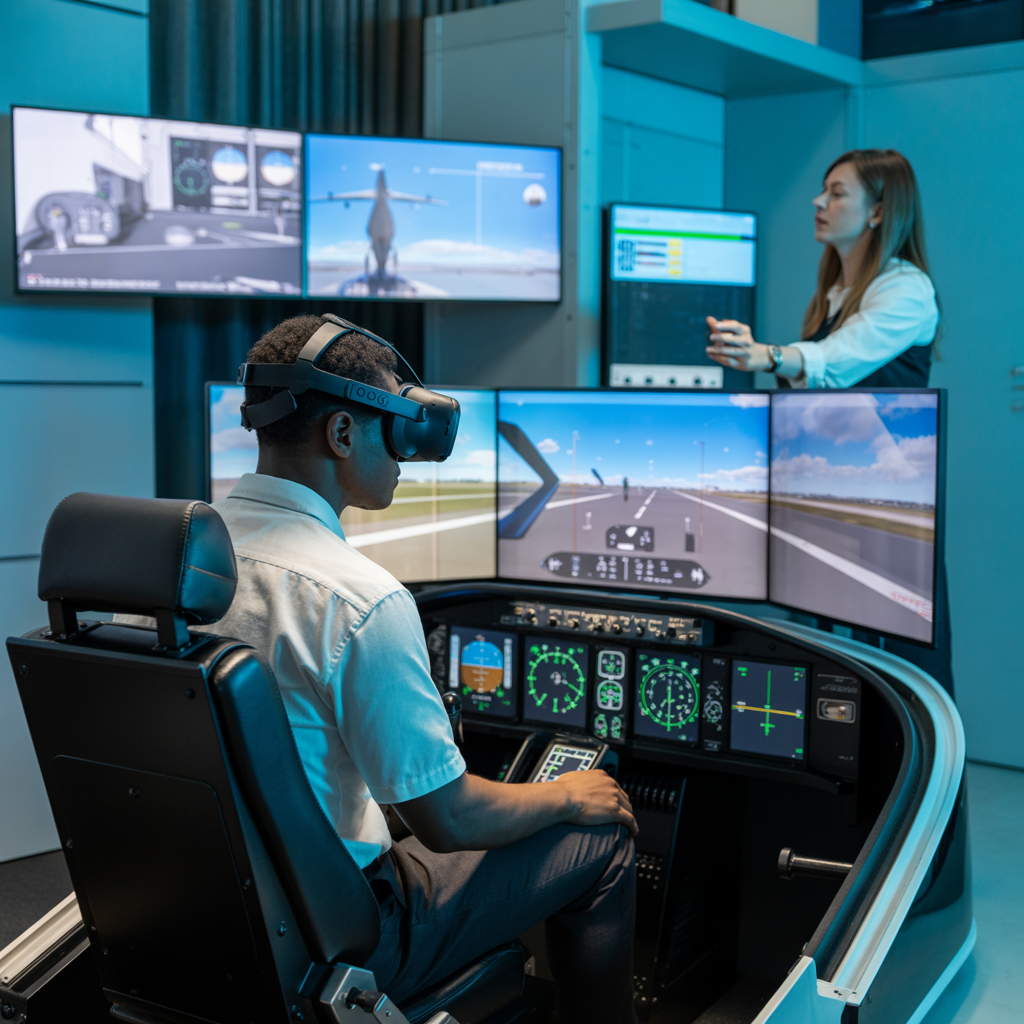
VR’s practical applications span commercial, military, and regional aviation:
· CAE’s Project CAVOK (2024): This initiative integrates AR/VR for pilot and technician training to address global pilot shortages. Embry-Riddle Aeronautical University’s 2025 trials with CAVOK showed 30% faster solo flight readiness compared to traditional methods (CAE, “Project CAVOK Impact Report,” 2025; Embry-Riddle, “VR Training Outcomes,” 2025).
· VRpilot’s Momentum: In 2025, VRpilot secured contracts with airlines like Qatar Airways and Lufthansa, providing VR modules for cockpit familiarization and emergency drills. User data reported 75% knowledge retention versus 10% for lectures, per VRpilot’s 2025 analytics (VRpilot, “Training Impact Metrics,” 2025).
· CommuteAir’s VR Deployment: Since January 2024, CommuteAir has used Visionary Training Resources’ VR headsets for new-hire training, reducing onboarding time by 20%. A 2025 case study highlighted improved procedural accuracy (CommuteAir, “VR Training Case Study,” 2025).
· Military Applications: The U.S. Air Force’s Project Fusion, launched in 2024, combines VR and AI for intuitive training. A 2025 report noted that courses were shortened from 12 to 4 months with no loss in competency (U.S. Air Force, “Project Fusion Evaluation,” 2025).
· Nolinor and VRPilot Collaboration (2025): Canadian airline Nolinor integrated VR for Boeing 737-200 training, enhancing preliminary sessions before full-motion simulators. Early results showed a 25% reduction in simulator hours needed (Nolinor Aviation, “VR Training Update,” 2025).
These implementations underscore VR’s scalability and measurable impact across diverse aviation contexts.
Flight schools' experiences and results
Flight schools across the board are seeing crazy results with VR. FlightSafety International reported students reaching proficiency 15-20% faster after implementing VR pre-training sessions.
ATP Flight School, America's largest, integrated VR modules in 2020, and saw students nail landings with fewer actual attempts. The cost savings were massive - students needed fewer physical flight hours to reach the same skill level.
Even smaller operations like California-based Sierra Academy found VR particularly effective for instrument training. Students who struggled with instrument flying in actual aircraft often had breakthroughs after practicing in VR environments where instructors could pause scenarios and provide immediate feedback.
Future Outlook: Beyond 2025
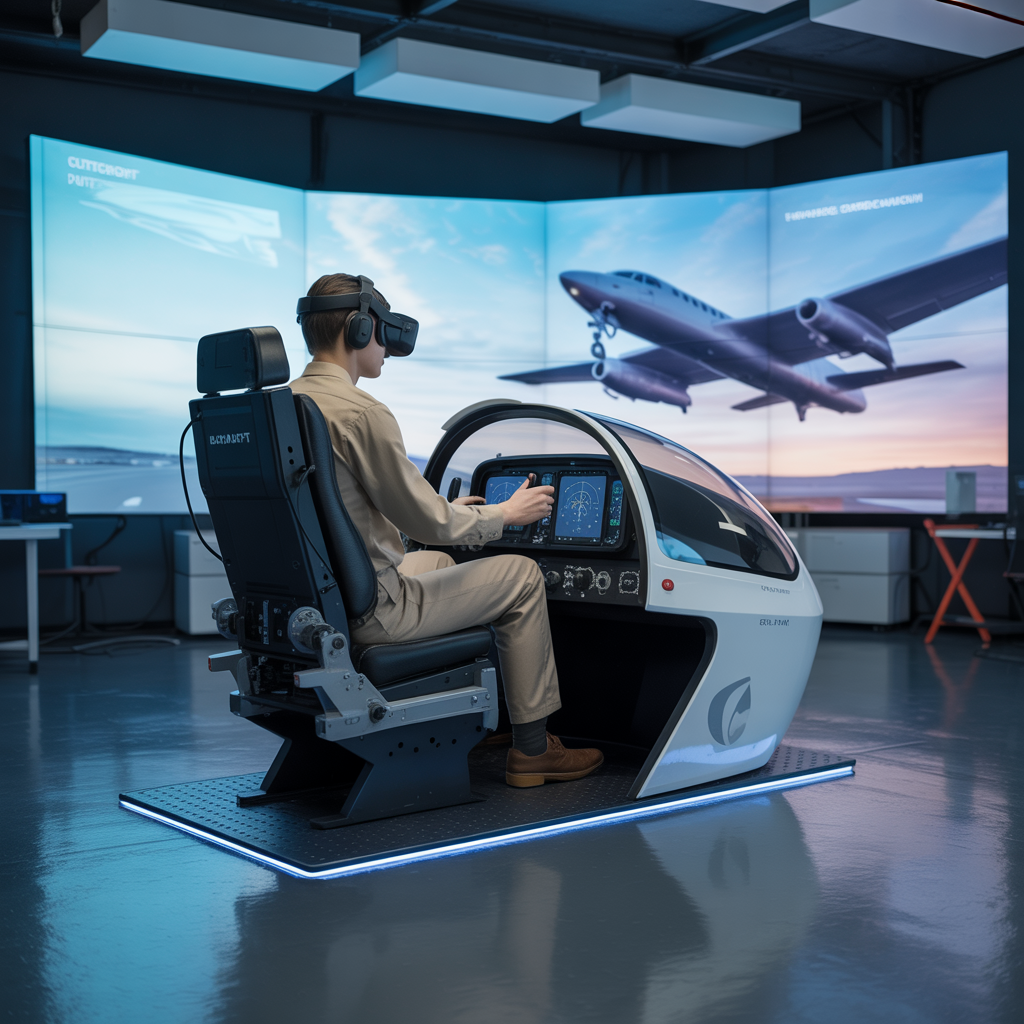
The trajectory for VR in flight training is promising:
· AI-Driven Hyper-Personalization: By 2027, AI will further tailor training, predicting performance issues and optimizing syllabi, as forecast by Gartner’s 2025 aviation tech report (Gartner, “Aviation Technology Trends,” 2025).
· Metaverse-Style Training: Collaborative, cloud-based platforms will enable global training networks, allowing international crews to train together, per a 2025 IATA vision paper (IATA, “Future of Aviation Training,” 2025).
· Sustainability Benefits: VR reduces fuel consumption in training flights, supporting aviation’s net-zero goals, as emphasized in a 2025 ICAO report (ICAO, “Sustainable Aviation Training,” 2025).
· Expanded Applications: VR will deepen integration in maintenance, cabin crew training, and air traffic control, with Thales projecting a 50% market share by 2030 (Thales, “XR in Aviation Forecast,” 2025).
By 2030, VR could account for 50% of training hours, fundamentally reshaping aviation workforce development (Aviation Week, “VR Training Projections,” 2025).
Conclusion
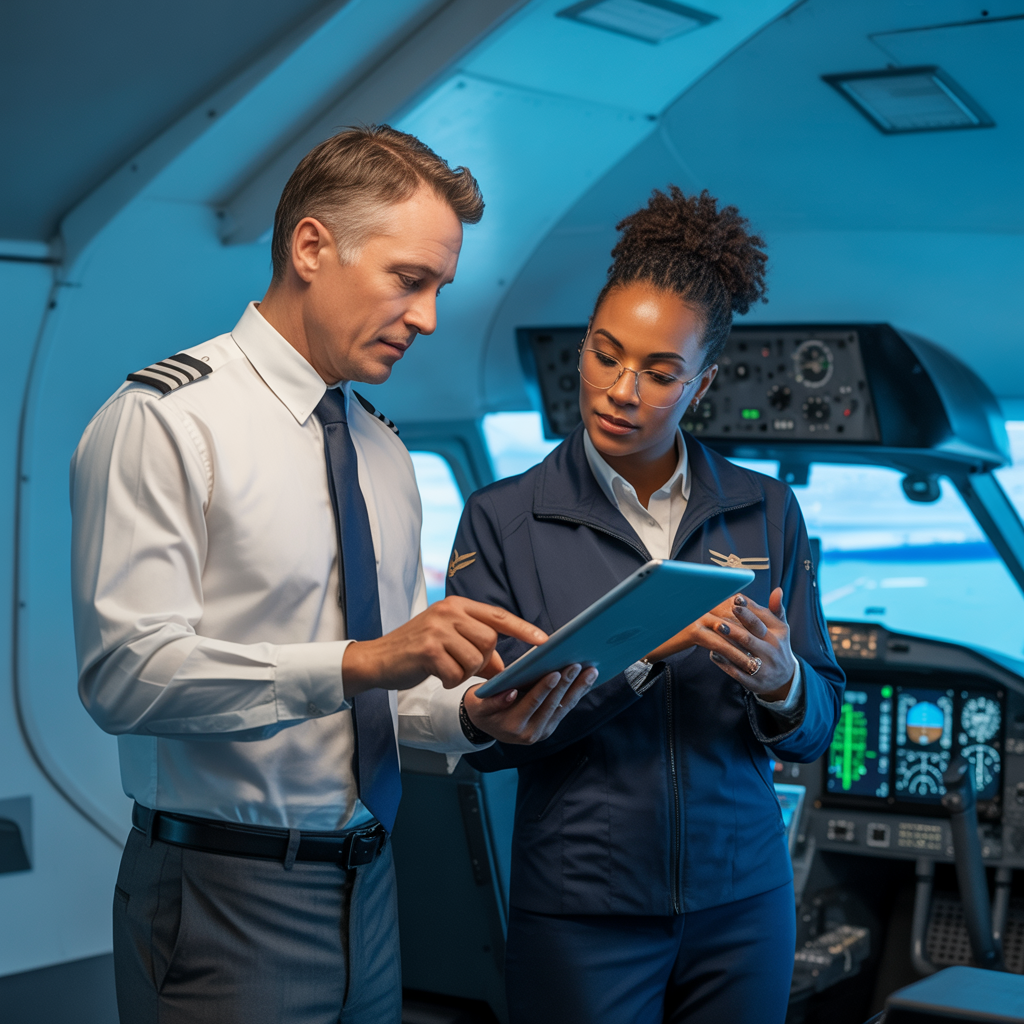
Virtual reality has transformed pilot training from traditional simulators to immersive environments that replicate real flight conditions with unprecedented accuracy. The evidence is clear: VR training improves skill retention, reduces training time, creates safer learning environments for dangerous scenarios, and significantly cuts costs for airlines and flight schools. While concerns about physical side effects and the absence of physical controls present challenges, the technology continues to evolve rapidly.
As major airlines and military organizations increasingly integrate VR into their training programs, the question is no longer whether virtual reality is a game-changer for pilot training—it clearly is. As of September 2025, VR is a mature, transformative force in flight training, supported by regulatory advancements, AI integration, and widespread adoption. Challenges like cybersickness and initial costs are being addressed through technological and policy innovations. With continued investment, VR will redefine aviation training, producing safer, more skilled professionals for traditional and emerging aircraft like eVTOLs. The synergy of VR, AR, and AI heralds a future where training is immersive, data-driven, and globally accessible.
Author: G R Mohan

No comments:
Post a Comment